The Essential Guide to Living in Waban for Young Families
Explore Waban village in Newton: 30-min Green Line D commute, 0.5 violent crimes/1K, top schools incl. Newton South, premium family homes.
Written ByAndrea Forsythe
PublishedJanuary 28, 2026
UpdatedJuly 9, 2026
I'm Andrea Forsythe, a Newton, MA real estate agent specializing in new construction. With 13+ years developing homes, I guide buyers and sellers from search to keys. Serving Newton, Brookline, Watertown, Belmont, Waltham, Wellesley, Wayland, Arlington, Natick, Needham, Stoneham, Wakefield and Lexington, MA.
# Welcome to Waban: A Warm, Modern Haven for Young Families
Tucked into the southwestern corner of Newton, Waban is one of those villages families tend to fall for the moment they step off the Green Line. It has a leafy, residential calm to it, but you're never far from the things a growing family actually needs—top-rated schools, safe streets, and an easy ride straight into Boston. I walk these neighborhoods and tour these homes all the time, and I can tell you Waban has a personality all its own: quieter and more residential than the busier village centers, yet still deeply connected and community-minded.
Here's my honest, on-the-ground take on what makes Waban special.
Is Waban a Good Neighborhood for Young Families in Newton?
Yes—Waban is consistently ranked among Newton's best villages for families, thanks to its exceptional safety, strong schools, and tight-knit residential feel. This is a place where kids ride their bikes to the library and parents recognize each other at weekend soccer games.
Let's start with what matters most to the families I work with: safety. Newton, as a whole, is one of the safest cities in the country, and the numbers back that up. The city's violent crime rate sits at just 0.5 per 1,000 residents—dramatically below the Massachusetts rate of 3.15 and the national median of 4. Property crime tells the same reassuring story.
Newton Crime Rates vs. State and National Benchmarks
Newton’s violent and property crime rates are well below both Massachusetts and national benchmarks—an important family-priority signal.
Violent Crime Rate per 1,000 Residents
Property Crime Rate per 1,000 Residents
Newton’s violent and property crime rates are well below both Massachusetts and national benchmarks—an important family-priority signal.
When parents ask me, "Will my kids be safe here?" I point to this data. Then I remind them that in Waban specifically, the most common property crime tends to be package theft—not anything more serious. That's the kind of "problem" most families are relieved to hear about.
The other big draw is education. Waban feeds into the acclaimed Newton Public Schools system, which serves families through a broad network of neighborhood schools across the city.
Newton Public Schools Facility Network
Newton Public Schools’ broad facility footprint gives families multiple public-school pathways across the city’s village structure.
Newton Public Schools’ broad facility footprint gives families multiple public-school pathways across the city’s village structure.
A little honesty about lifestyle: Waban is more residential than walkable-urban. In Newton's walkability tiers, the most pedestrian-friendly village centers are Newton Centre and Newton Highlands, while Waban lands in the "less walkable" group. That's not a knock—honestly, it's why so many families choose it in the first place. You get quiet streets and green space, a charming little village square of your own, and quick drives to the bigger hubs.
Newton Village Walkability Tiers
For families who want an urban, village-center lifestyle, Newton Centre and Newton Highlands stand out for walkability, while other villages may require more driving.
Waban families benefit from strongly rated elementary and middle schools and ultimately feed into Newton South High School, which earns top marks. For young families, this is often the single biggest reason they put down roots here.
When I'm touring homes with parents in Waban, the conversation almost always turns to the elementary district first. Angier Elementary and Zervas Elementary both earn strong 8 ratings, and Angier is within a short walk—under 10 minutes—of many Waban homes. That makes those morning drop-offs genuinely manageable.
As kids grow, the path continues through highly rated middle schools like Charles E. Brown Middle School (rated 9) and Oak Hill Middle School (rated 8), before landing at Newton South High School, which carries a perfect 10 rating and an A+ reputation. The district also maintains an impressive 11:1 student-to-teacher ratio citywide.
And for families with little ones not yet in the school system, the surrounding area has excellent early-childhood options. Places like Riverside Children's Center give parents a reassuring head start well before kindergarten.
What Is the Real Estate Market Like in Waban, Newton?
Waban is a premium, established market. Citywide, Newton's median sale price sits at $1,450,000, with homes selling in a median of 24 days—context that helps families understand just how competitive this region really is.
Here's the broader Newton snapshot I share with every buyer, so they know what they're walking into:
Newton 2026 Housing Market Snapshot
A quick read on Newton’s 2026 housing conditions: high prices, relatively quick sales, and moderate inventory—useful headline context for young families planning a move.
A few things to read into these numbers. First, with only 51 homes sold in the reporting period and roughly 3.8 months of inventory, Newton runs lean—and Waban, as a smaller, sought-after village, tends to feel even tighter. Second, a sale-to-list ratio of 99.02% and current mortgage rates near 6.23% tell buyers that well-priced homes still move quickly. Preparation matters.
Waban itself typically sits at the higher end of Newton's price spectrum, so families should plan for that premium when comparing villages. My honest advice? Come in pre-approved, know your must-haves versus your nice-to-haves, and be ready to act. Waban homes don't linger, and having your financing and priorities buttoned up is often the difference between winning and watching.
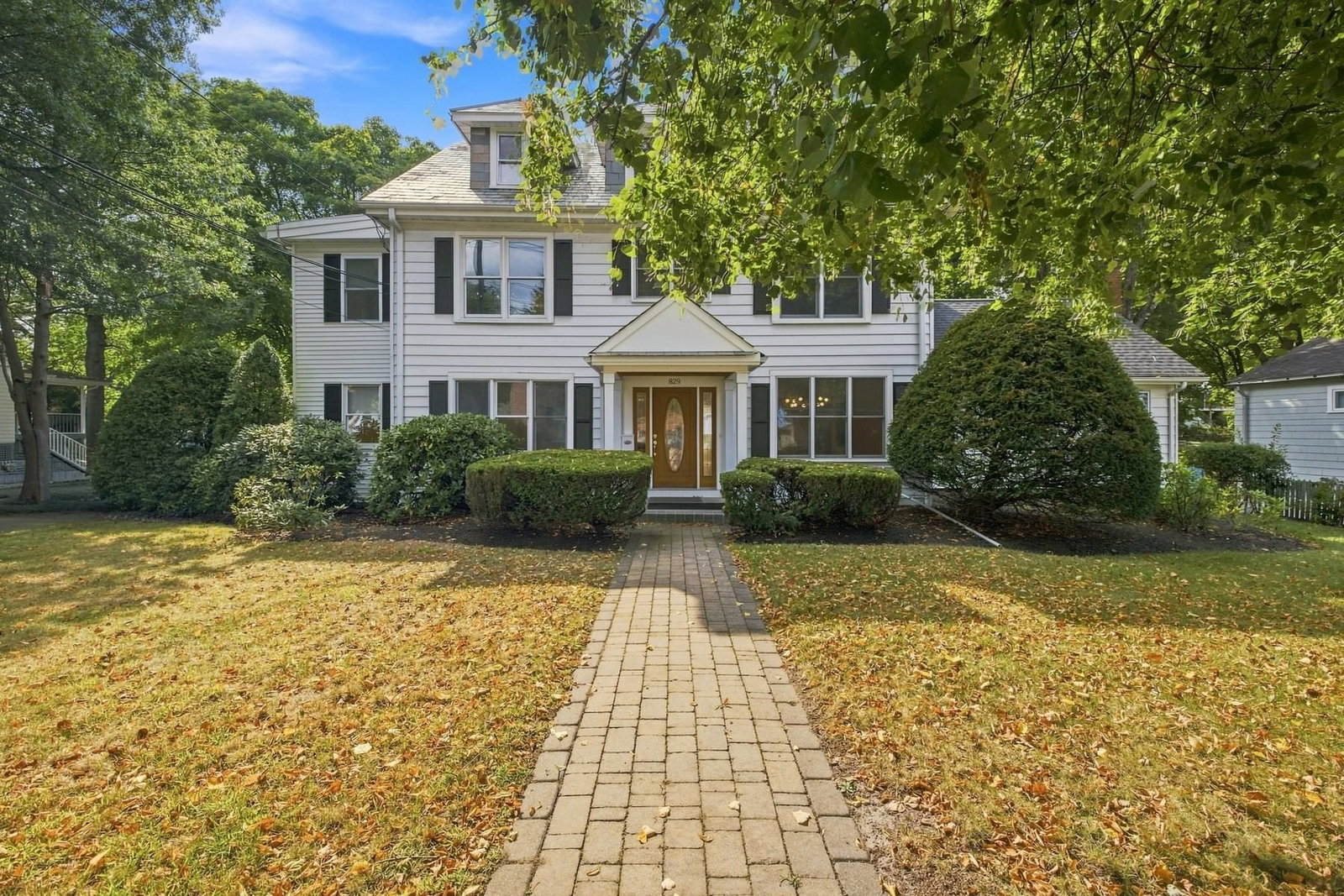
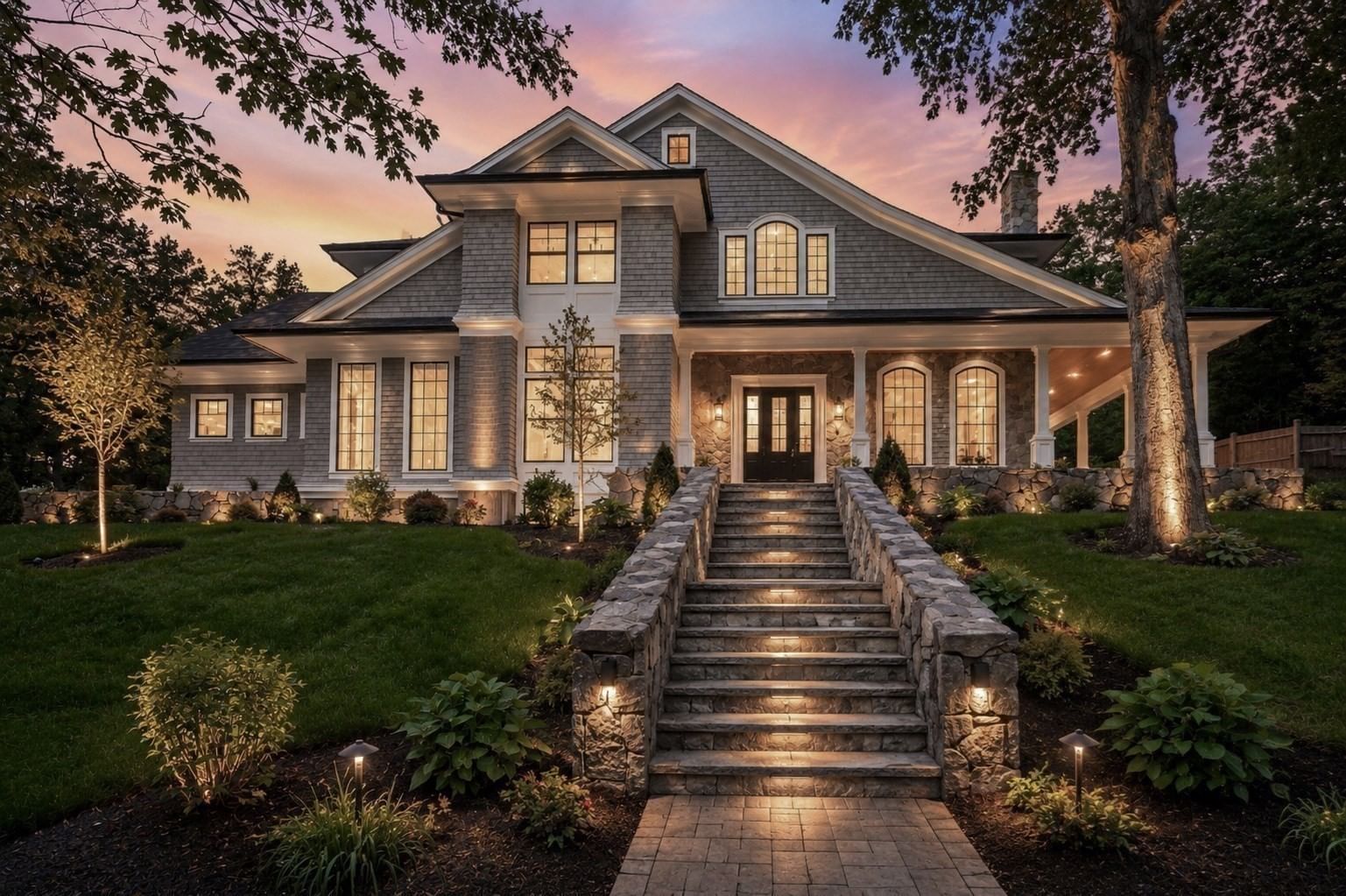
On the construction side—an area I pay especially close attention to—Waban's housing stock ranges from classic New England colonials to a growing wave of thoughtfully renovated and newly built homes. When I walk a property here, I'm looking at how it was built, not just how it shows: the layout, the systems, the bones. Some families gravitate toward the newer and updated homes for their open floor plans and lower maintenance, while others fall for the character of Waban's established architecture. Both can be smart buys. The key is knowing which one fits your life.
Where Do Families Gather in Waban, Newton?
Waban Square is the heart of the village—a walkable little hub where families grab coffee, run errands, and bump into neighbors—rounded out by nearby parks, the local library, and family-friendly shops.
Waban Square has that small-village charm the larger centers just can't replicate. It's where you feel the daily rhythm of the neighborhood: a stop at The Waban Market for essentials, or a visit to the beloved Waban Library Center , which earns a well-deserved 4.7 rating and is a genuine anchor for young families with its story times and community programming.
For outdoor time, there are wonderful options nearby, from tucked-away playgrounds to the scenic Hemlock Gorge Reservation —a lovely spot for weekend walks along the river. When clients tell me they want that "everyone knows your name" feeling without giving up green space, this is exactly the kind of village I steer them toward.
Compared to the denser, more commercial feel of the surrounding Newton village centers, Waban offers something calmer and more intimate—the trade-off so many families are actively looking for.
How Is the Commute from Waban to Boston?
Waban offers a genuinely easy commute: the Waban MBTA Green Line D station puts riders in downtown Boston in about 30 minutes, with trains running every 6 to 12 minutes at peak. For dual-commuter families, that reliability is a game-changer.
The Green Line D branch is Waban's commuting backbone. A ride into the city takes roughly 30 minutes, and during peak hours trains arrive every 6 to 12 minutes—frequent enough that you're not building your whole morning around a rigid timetable. If you'd rather drive, Newton sits just about 7 miles from downtown Boston, with off-peak drive times running 15 to 25 minutes depending on traffic.
What I love pointing out to families is how close the daily essentials are. Many Waban homes are within a 3 to 5 minute drive of medical care, and Angier Elementary is that under-10-minute walk for a huge swath of the village.
Newton has also been investing in the kind of last-mile infrastructure that makes family life smoother—safer crossings, more transit comfort, and bike parking that supports both school drop-offs and daily commutes.
$473,132Allocation
Newton 2026 Community Connections Upgrade
This transportation upgrade supports last-mile mobility, bike parking, transit comfort, and safer crossings—practical quality-of-life improvements for commuting families.
That $473,132 Community Connections upgrade delivers 67 new bike racks, 2 transit shelters, and 12 rectangular rapid-flashing beacons (RRFBs) at crossings—practical improvements that make walking and biking to the station safer for kids and parents alike.
The Bottom Line on Waban
Waban delivers a rare combination: the quiet, tree-lined safety of a residential village, some of the best public schools in Massachusetts, and a genuine 30-minute connection to Boston. It's a premium market, and it moves fast—but for young families who want to put down real roots, it's hard to beat. If you're weighing Waban against other Newton villages or nearby towns, I'm always happy to walk through the honest pros and cons of each, so you can decide with confidence.
Is Waban in Newton, MA a good place for young families?
Yes. Waban is one of Newton’s best villages for families because it combines a quiet residential setting, strong public schools, and a high level of safety. Newton’s violent crime rate is 0.5 per 1,000 residents, well below the Massachusetts rate of 3.15 and the national median of 4.
What are the schools like in Waban, Newton, MA?
Waban families are served by Newton Public Schools, including strongly rated elementary options such as Angier Elementary and Zervas Elementary, both rated 8. Students continue through highly rated middle schools such as Charles E. Brown Middle School, rated 9, and Oak Hill Middle School, rated 8, before feeding into Newton South High School, rated 10.
Is Waban, Newton, MA walkable for families with kids?
Waban is more residential and less walkable than Newton Centre or Newton Highlands, but it has a small village hub at Waban Square. Families use Waban Square for daily errands, The Waban Market, the Waban Library Center, and nearby outdoor spots such as Hemlock Gorge Reservation.
How is the commute from Waban, Newton, MA to Boston?
Waban has a convenient Boston commute through the Waban MBTA Green Line D station. The trip to downtown Boston takes about 30 minutes, and peak-hour trains run every 6 to 12 minutes. Newton is also about 7 miles from downtown Boston, with off-peak driving times around 15 to 25 minutes depending on traffic.
How expensive is it to buy a home in Waban, Newton, MA?
Waban is a premium market within Newton, where the citywide median sale price is $1,450,000 and homes sell in a median of 24 days. Newton has about 3.8 months of inventory, and Waban’s smaller, sought-after village setting can make available homes feel even tighter.
Are there condos or townhomes in Waban, Newton, MA for families?
Waban’s housing stock includes classic New England colonials, renovated homes, and newer construction. Families comparing condos or townhomes should expect the same broader Newton market pressures: limited inventory, quick sales, and premium pricing in desirable locations.
What should buyers know about affordability and HOA costs in Waban, Newton, MA?
Specific HOA fee figures are not part of Newton’s market snapshot, so buyers should evaluate them property by property. The key affordability context is that Newton’s median sale price is $1,450,000, the sale-to-list ratio is 99.02%, and current mortgage rates are near 6.23%, all of which affect monthly ownership costs.