Wayland, MA Real Estate: An Essential Guide for Young Families
Explore Wayland’s quiet family vibe: 2,662 students, top schools, $1.39M median list price, 2.8 months supply, and Boston commute options.
Written ByAndrea Forsythe
PublishedJuly 3, 2026
UpdatedJuly 9, 2026
I'm Andrea Forsythe, a Newton, MA real estate agent specializing in new construction. With 13+ years developing homes, I guide buyers and sellers from search to keys. Serving Newton, Brookline, Watertown, Belmont, Waltham, Wellesley, Wayland, Arlington, Natick, Needham, Stoneham, Wakefield and Lexington, MA.
Wayland, MA
Region
In July 2026, the median sale price for homes in Wayland, MA was $1,065,000, down 6.5% from a year earlier.
# Wayland, MA Real Estate: A Welcoming Haven for Young Families
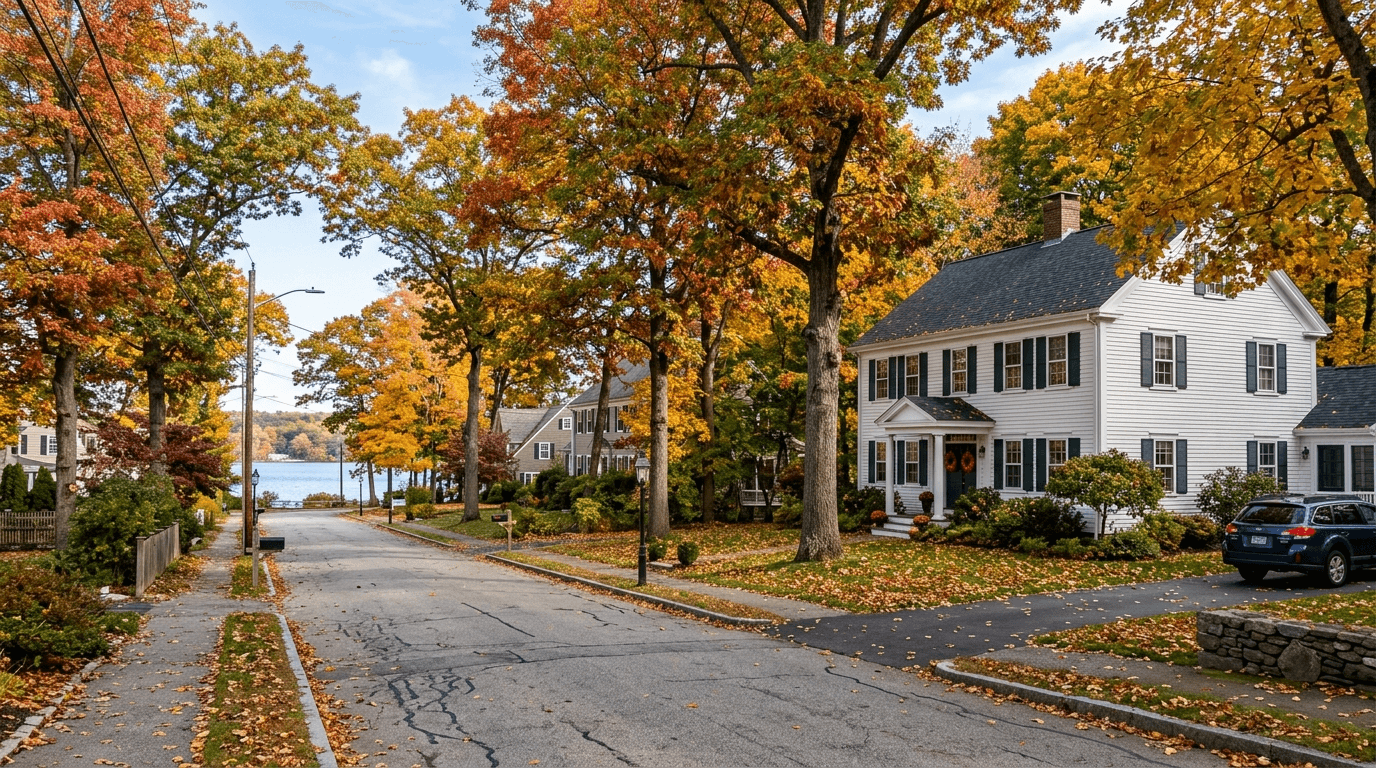
If you're a young family trying to figure out where to settle down west of Boston, put Wayland near the top of your list. It has something that's getting harder to find these days: a genuinely quiet, safe, close-knit town with excellent schools and neighbors who still know each other by name. Let me walk you through what life here actually looks like—the homes, the playgrounds, the commute, and everything in between.
Is Wayland, MA a Good Place to Raise a Family?
Yes—Wayland is one of the most family-centric towns in Middlesex County, anchored by an excellent public school system, low crime, and a genuinely active community life. Residents give the town a 4 out of 5 on Niche, and plenty of them describe it as somewhere they've happily lived for 20 years or more.
What sets Wayland apart is its balance. It's quiet and residential—the kind of place where kids ride bikes down tree-lined streets—but it's nowhere near sleepy. There are youth sports leagues, neighborhood get-togethers, and a dedicated Youth Advisory Committee that meets throughout the year. When I tour homes here with parents, the very first questions are almost always about the schools. And Wayland's reputation more than holds up.
The district serves roughly 2,662 students across its three elementary schools (Claypit Hill, Happy Hollow, and Loker), Wayland Middle School, and Wayland High School. Enrollment has stayed remarkably steady over the past decade, and that tells families something important: this is an established, well-planned district, not one buckling under sudden growth.
Wayland Public Schools Enrollment: FY14–FY30
Wayland’s PreK–12 enrollment has remained relatively stable over the long term, with modest projected movement through FY30—useful context for families evaluating school capacity and continuity.
Actual Enrollment
Projected Enrollment
Wayland’s PreK–12 enrollment has remained relatively stable over the long term, with modest projected movement through FY30—useful context for families evaluating school capacity and continuity.
That kind of stability matters. It means predictable class sizes and real continuity for your kids as they move up through the grades.
Enrollment by School Level: FY24 Actual vs. FY25 Projected
A school-level comparison showing how enrollment is distributed across elementary, middle, and high school grades, with FY25 projections closely tracking FY24 actuals.
FY24 Actual
FY25 Projected
A school-level comparison showing how enrollment is distributed across elementary, middle, and high school grades, with FY25 projections closely tracking FY24 actuals.
On safety, parents can breathe easy here. The Wayland Police Department keeps a visible, proactive presence, and the community threat level stays consistently low. For families coming from busier, denser areas, that peace of mind is often what seals the deal.
Wayland is also a diverse and welcoming place. The student body reflects a real mix of backgrounds—something many families tell me they treasure when it comes to raising open-minded kids.
Wayland Public Schools Student Demographics: 2025–26
Districtwide student enrollment by race and ethnicity for 2025–26. The percentages sum to 100%, making this appropriate for a distribution chart.
TOTAL
Asian
16%15.5
Black or African American
4%3.8
Hispanic or Latino
9%8.5
Multi-Race, Not Hispanic or Latino
8%8.0
Native Hawaiian or Other Pacific Islander
0%0.1
White
64%64.1
Districtwide student enrollment by race and ethnicity for 2025–26. The percentages sum to 100%, making this appropriate for a distribution chart.
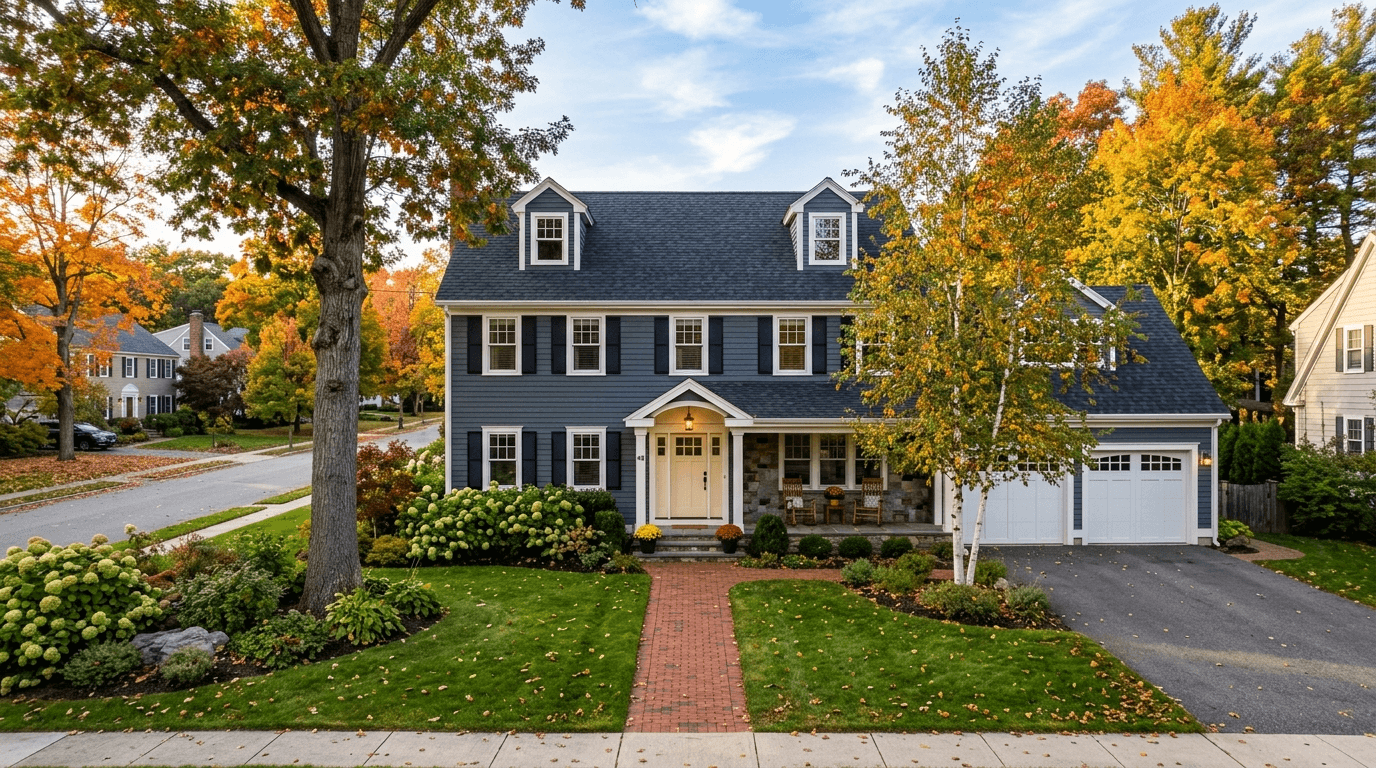
Wayland's housing is defined by spacious lots, classic New England colonials, and a growing wave of modern new construction—most of it owner-occupied and built for families. The trade-off is price. Housing here is undeniably premium, with a median list price around $1.39M and an average of $441 per square foot.
Wayland Housing Market Snapshot: July 2026
A quick headline view of Wayland’s July 2026 housing market for families weighing budget, competition, and available inventory. Mixed units are shown as a snapshot rather than a standard chart.
Let me put that in context for young families. With 2.8 months of supply and a sale-to-list ratio sitting right at 100.1%, this is a seller's market—well-priced homes move quickly. But homes still sit an average of 73 days, which gives thoughtful buyers a little breathing room to make good decisions instead of panic-offering.
Here's what you'll typically find on the ground:
•Generous lots. Wayland's larger parcels translate into real backyards—room for a swing set, a garden, and space for the kids to run around. It's a big reason families choose it over tighter suburbs.
•A blend of old and new. You'll see mature colonials and capes on established, tree-lined streets, alongside a steady stream of new construction and gut-renovated homes.
•Modern, family-friendly layouts. The newer builds lean into open-concept kitchens, mudrooms, and smart-home features that make everyday family life a little smoother.
Because I've spent years developing new construction—from permit all the way to certificate of occupancy—I look at these homes differently than most. When we walk a Wayland property together, I'm not just admiring the finishes. I'm reading how it was built, whether the floor plan actually works for a growing family, and where the lasting value really lives. At this price point, that kind of scrutiny protects your investment.
One honest note on the numbers: Wayland's residential tax rate of $15.63 per $1,000 runs about 26% above the Massachusetts average, which works out to roughly $1,807/month in property taxes on a median home. It's a real line item to plan for. But most families find it well worth it for what the schools and town services give back.
Where Do Families Gather in Wayland, MA?
Families in Wayland come together at the town's parks, conservation lands, the town center, and the beloved public library. These are the everyday spots where community actually happens.
When it comes to the outdoors, Wayland is spoiled. Lake Cochituate is the summer go-to for swimming, boating, and picnics, while conservation properties like Greenways Conservation Land and Heard Farm offer scenic trails that are perfect for a stroller walk or a weekend family hike. These are exactly the kind of quiet, natural spaces families moving out from the city are always hoping to find.
The Wayland Free Public Library is a genuine community anchor—one of the highest-rated spots in town—with story times and children's programming that give parents of little ones a dependable place to land during the week.
Day-to-day errands revolve around Wayland Town Center, where you'll find groceries at Stop & Shop and family-friendly dining nearby. And once summer rolls around, the whole region lights up—neighboring towns like Natick and Sudbury host Fourth of July picnics and parades that Wayland families flock to year after year.
How Is the Commute From Wayland, MA to Boston?
Wayland offers a manageable commute into Boston—about 30 minutes by car in good traffic—thanks to easy access to the Mass Pike (I-90) and Route 20, with Commuter Rail stations nearby for anyone who'd rather skip the drive. It's a practical setup for working parents who want quiet at home without feeling cut off from the city.
Here's the realistic picture for commuters:
•Driving into central Boston: roughly 30 minutes with good traffic, though give yourself up to 1.5 hours during heavy rush hour.
•Reaching bigger centers nearby: just 15–20 minutes to hubs like Natick and Framingham for shopping, dining, and services.
•The Route 128 tech corridor: very much within reach for parents working in the region's innovation economy.
One thing worth knowing: Wayland itself doesn't sit on a Commuter Rail line. So most rail commuters drive a short distance to stations in neighboring towns like Natick Center or Wellesley Square, then hop the Framingham/Worcester Line straight into South Station. For hybrid schedules—so common for families now—this park-and-ride approach keeps things flexible and low-stress.
Compared to a denser inner suburb, Wayland asks you to trade a bit of walkability for a lot of space and quiet. For most young families I work with, that's a trade they're more than happy to make.
A Final Word for Families Considering Wayland
Wayland delivers a rare combination: top-tier schools, real safety, room to grow, and a forward-looking town that recently reaffirmed its commitment to sustainability as a certified Climate Leader Community.
$1.15MFunding Eligibility
Wayland Climate Leader Community & Climate Action Plan
Wayland’s climate initiative signals a long-running civic focus on sustainability, energy policy, and grant-supported local improvements—community context that can matter to environmentally minded families.
It's a premium market, and buying well here takes both patience and a clear-eyed read on each home's true quality. If you're weighing Wayland against neighbors like Natick, Wellesley, or Needham, I'm always glad to lay out the honest pros and cons of each—so you can decide with confidence and find the home that fits your family for years to come.
Local Spots & Favorites
Wayland Market Statistics
Median sale price, days on market, and closed sales by property type.
In July 2026, the median sale price for homes in Wayland, MA was $1,065,000, down 6.5% from a year earlier.
Yes. Wayland, MA is considered a strong choice for young families because it offers excellent public schools, low crime, a quiet residential setting, and an active community life. Families also value the town’s parks, conservation land, library programming, youth sports, and neighborhood events.
How are the schools in Wayland, MA?
Wayland, MA public schools serve about 2,662 students across Claypit Hill, Happy Hollow, and Loker elementary schools, Wayland Middle School, and Wayland High School. The district is known for stable enrollment, which supports continuity for families as children move through the school system.
Are there condos or townhomes in Wayland, MA?
Wayland, MA is mostly known for spacious single-family homes, classic New England colonials, capes, and newer construction on generous lots. Condos and townhomes are not described as the dominant housing type, so families specifically seeking lower-maintenance attached housing may find fewer options than in denser suburbs.
How expensive is it to buy a home in Wayland, MA?
Wayland, MA is a premium housing market, with a median list price around $1.39 million and an average price of about $441 per square foot. The market has about 2.8 months of supply and a sale-to-list ratio near 100.1%, indicating a seller’s market where well-priced homes remain competitive.
What should families know about taxes and affordability in Wayland, MA?
Property taxes are an important cost to budget for in Wayland, MA. The residential tax rate is $15.63 per $1,000, about 26% above the Massachusetts average, which equals roughly $1,807 per month in property taxes on a median-priced home.
How is the commute from Wayland, MA to Boston?
The commute from Wayland, MA to central Boston is about 30 minutes by car in good traffic, but it can take up to 1.5 hours during heavy rush-hour periods. Wayland has convenient access to the Mass Pike, I-90, and Route 20, making it practical for many working parents.
Does Wayland, MA have public transportation or Commuter Rail access?
Wayland, MA does not have its own Commuter Rail station. Rail commuters typically drive to nearby stations such as Natick Center or Wellesley Square and use the Framingham/Worcester Line into South Station.
Where do families spend time in Wayland, MA?
Families in Wayland, MA commonly gather at Lake Cochituate, Greenways Conservation Land, Heard Farm, Wayland Town Center, and the Wayland Free Public Library. The library is a major community hub with story times and children’s programming, while the town’s outdoor spaces support swimming, boating, picnics, stroller walks, and family hikes.